Metaverse Cyber Security: How It Works and How to Stay Safe
Virtual worlds feel like the future, but the scams inside them are old and familiar. Metaverse cyber security is about protecting your accounts, your money, and your digital self in these new spaces.
🔑 Key Takeaways
- The metaverse uses the same logins, passwords, and digital assets attackers already know how to steal.
- Crypto wallets and NFTs are top targets because they are valuable and hard to recover.
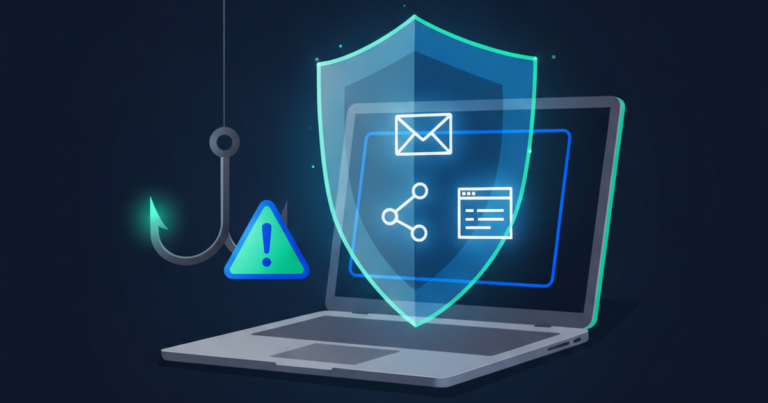
- Phishing is the number one threat, often using fake sites that copy real ones.
- Good metaverse cyber security relies on familiar basics: strong passwords, MFA, and healthy skepticism.
The metaverse is no longer just a science fiction idea. Companies have launched virtual spaces where people meet, work, and buy digital goods using avatars, which are digital characters that represent you. As these spaces grow, so does the interest from hackers and scammers. That is why metaverse cyber security matters for anyone curious about exploring these worlds, not just tech experts.
Here is the reassuring part. The metaverse may look futuristic, but the attacks are the same ones you already face online. Once you understand the familiar tricks behind the shiny surface, you can protect yourself with confidence.
What Is the Metaverse, Really?
At its simplest, the metaverse is a set of shared virtual spaces where digital avatars interact. Some versions are practical, like virtual meeting rooms where coworkers brainstorm without turning on a camera. Others are ambitious, with digital land, virtual goods, and economies built on cryptocurrency and NFTs.
An NFT, short for non-fungible token, is a unique digital item recorded on a blockchain, which is a shared public ledger. People buy NFTs as art, collectibles, or avatars. Because these items can carry real value, they attract real criminals, and that is where metaverse cyber security enters the picture.
Why Metaverse Cyber Security Matters
The metaverse feels new, but it runs on the same plumbing as the rest of the internet. You still need accounts, logins, and passwords. You still own digital assets that need protection. Attackers exploit those familiar pieces using social engineering, phishing, and fake websites, the same methods they have used for years.
There is one important difference. Many metaverse assets are decentralized, meaning no bank or company controls them. If someone steals your cryptocurrency or NFT, there is often no customer service line and no way to reverse the transaction. That is what makes strong metaverse cyber security so important. Prevention is usually your only real protection.
In the metaverse, a stolen asset is often gone for good. There is no undo button, so your habits are your safety net.
What Hackers Target in the Metaverse
Crypto wallets
A crypto wallet stores the keys to your digital money. Many people are new to wallets and make risky choices, like leaving funds on an exchange or an unsafe website. Attackers know this and go after wallets first, because that is where the value sits.
NFTs and digital assets
NFTs are popular targets because they are valuable, lightly regulated, and easy to move once stolen. A scammer can trick you into approving a transaction, and your prized digital item simply vanishes into their account.
Passwords and accounts
Old-fashioned password theft still works. Attackers pose as an exchange or a buyer, send a convincing message, and capture your login. From there, they reach everything tied to that account. Solid metaverse cyber security always starts with protecting the password.
How to Protect Yourself in the Metaverse
You do not need deep technical skills to stay safe. A handful of habits blocks the vast majority of attacks. Here is where to focus your metaverse cyber security efforts.
- Slow down on links. Phishing thrives on urgency. Before you click, check the web address carefully for small misspellings, and preview links rather than tapping them on reflex.
- Use a cold wallet for valuables. A cold wallet is a physical device that stores your keys offline, away from the internet. It is one of the safest ways to hold crypto and NFTs you care about.
- Turn on multi-factor authentication. MFA adds a second step to every login, so a stolen password alone is not enough to get in.
- Use strong, unique passwords. A password manager makes this painless and stops one breach from unlocking everything you own.
- Verify before you trust. Treat surprise offers, free giveaways, and urgent warnings as red flags until you confirm them through an official channel.
If you think an account may already be exposed, you can check your email against known breaches at Have I Been Pwned. For broader guidance on spotting online scams, the Federal Trade Commission publishes clear, free advice for consumers.
Will the Metaverse Be Our Future?
Opinions vary, especially after the ups and downs of the crypto market. The grand version of the metaverse may take years to arrive, if it fully arrives at all. In the near term, the most practical uses look like virtual meetings, training, and team collaboration.
Whatever shape it takes, the lesson stays the same. The metaverse is not immune to threats, and the same caution you use elsewhere online applies here. Build good metaverse cyber security habits now, and you can explore these new spaces with curiosity instead of fear.
Common Metaverse Scams to Watch For
Scammers reuse a few reliable tricks. Knowing their playbook makes them far easier to spot.
- Fake marketplaces: A site copies a real NFT platform down to the logo. You connect your wallet, approve a transaction, and your assets disappear.
- Impersonation: Someone pretends to be support staff or a famous buyer, then pressures you to act fast and share private details.
- Free gift hooks: A surprise airdrop or giveaway asks you to link your wallet. The real goal is to drain it.
The thread running through all of these is urgency. When a message rushes you, that is your cue to slow down, step back, and verify through a channel you already trust. A real opportunity will still be there in ten minutes. A scam, on the other hand, depends entirely on you not taking those ten minutes to think it through.
Frequently Asked Questions
What is metaverse cyber security in simple terms?
It is the practice of protecting your accounts, money, and digital assets while you use virtual worlds. It uses the same core habits as everyday online safety.
Why are crypto wallets such a big target?
They hold real value, and transactions usually cannot be reversed. Once an attacker drains a wallet, recovering the funds is rarely possible.
Is the metaverse more dangerous than the regular internet?
The threats are similar, but the lack of a reset button on stolen assets raises the stakes. That is why prevention matters so much.
What is the easiest first step to better metaverse cyber security?
Turn on multi-factor authentication and use a password manager. Together they stop most account takeovers before they start.
Do I need a cold wallet to join the metaverse?
Not to look around. But if you hold cryptocurrency or NFTs with real value, a cold wallet is one of the safest places to keep them.