Cyber Threats in Digital Marketing: Stay Safe
Your marketing team touches your website, your email list, and your social accounts. That makes them a front door for attackers.
🔑 Key Takeaways
- Cyber threats in digital marketing hit small businesses just as hard as big ones.
- Phishing, social engineering, and account takeovers are the most common risks.
- Most breaches trace back to human error, so training your team is the best defense.
- Simple habits, like strong passwords and updates, block the majority of attacks.
The internet gave your business a bigger reach and a bigger target. Cyber threats in digital marketing are easy to underestimate, because marketing does not feel like a security job. It is a common myth that only banks and hospitals get attacked. In reality, cyber threats in digital marketing affect any brand with a website, an email list, or a social account. This guide breaks down the risks and the fixes in plain language.
What Cyber Threats in Digital Marketing Look Like
Attackers go where the access is, and marketers hold a lot of it. The most common cyber threats in digital marketing include a handful of familiar tricks dressed up in new ways.
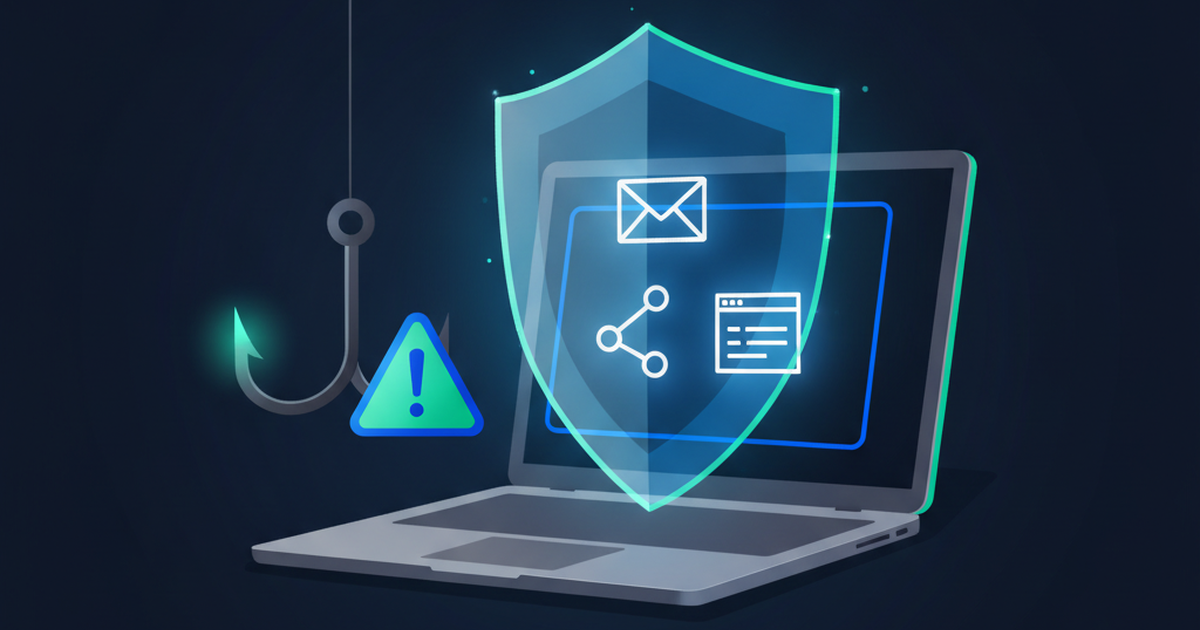
- Phishing: fake emails or messages that trick staff into handing over logins.
- Malware: harmful code hidden in attachments, plugins, or downloads.
- Account takeover: a stolen password that hands over your social or ad accounts.
- Social engineering: manipulation that gets a person to break the rules willingly.
None of these need advanced hacking. They need one distracted person. That is why cyber threats in digital marketing are really people problems as much as technical ones.
Secure Your Workspace and Devices
Remote work spread your team across many devices and networks. Each one is a possible way in. If an attacker grabs an employee’s login, your accounts and files can follow.
Give every team member quality security software and keep it updated. Where you can, avoid mixing personal and work devices. Set a clear rule for what to do if a laptop or phone goes missing, so a lost device does not become a lost account.
Do not forget the network itself. A home router with a weak or default password is an open door, and remote staff often work over one. Change default logins, keep the router updated, and use a strong Wi-Fi password. Our guide on whether your home Wi-Fi is a security risk walks through the simple fixes. A locked down network protects every account your team touches.
Most breaches do not start with genius code. They start with a click, a reused password, or a moment of trust.
Prioritize the Human Element
People are the biggest factor in cyber threats in digital marketing, for better or worse. A trained team spots trouble early. An untrained team clicks first and asks later.
Invest in short, regular security training. Teach staff to recognize suspicious messages and to report them without fear of blame. To keep those lessons fresh, run cyber attack tabletop exercises, which walk your team through a pretend incident so they know their role before a real one hits.
Lock Down Email and Social Media
Email: Your Busiest Attack Surface
Email marketing is powerful, and so is email fraud. Attackers forge trusted looking messages to steal data. Train your team to watch for odd attachments, urgent requests for logins, and poor grammar. Learn the warning signs in our guide to spotting phishing.
Social Media: Shared Access, Shared Risk
Business accounts are prime targets. When several people log in from different devices, credentials leak and blame gets murky. Limit who has access, use unique logins, and turn on two-factor authentication everywhere. Strong passwords come first, which is why a password policy beats a firewall as your starting point.
Protect Your Website and Communication Channels
Your website is a marketing engine and a target. Many sites run on popular platforms with third party plugins, and outdated plugins are a common way in. Reduce cyber threats in digital marketing on your site with a few steady habits:
- Install software only from official, trusted sources.
- Apply updates quickly, since they often patch security holes.
- Turn on multifactor authentication for every admin login.
- Review who has access and remove accounts you no longer use.
Free, trustworthy guidance is out there. The UK’s National Cyber Security Centre publishes small business advice, and the US Federal Trade Commission covers scams and data protection. Combine that reading with the steps above, and you cut down cyber threats in digital marketing without a big budget.
Why Small Businesses Are Prime Targets
Many owners assume they are too small to notice. Attackers love that assumption. A small team often runs lean, with shared logins, few rules, and no one whose job is security. That is an easy target, not a safe one.
Your marketing accounts also carry real value. A hijacked ad account can burn your budget in hours. A stolen email list damages trust with every customer on it. A defaced website scares away buyers before they ever contact you. This is why cyber threats in digital marketing deserve attention long before you feel big enough to worry.
The good news is that attackers usually take the easy path. Close the obvious doors, and most of them move on to a softer target. You do not need to be perfect. You need to be harder to rob than the next business.
Build a Simple Response Plan
Even careful teams get caught sometimes. What matters next is how fast you react. A short, written plan turns a panic into a checklist, and it does not need to be fancy.
Write down the answers to a few questions before anything goes wrong:
- Who do staff tell the moment something looks off?
- Which accounts get locked or reset first?
- How do you warn customers if their data is at risk?
- Who has the backups, and how do you restore them?
Keep the plan on one page and share it with everyone. Review it a couple of times a year. A plan you can actually follow beats a thick binder nobody reads, and it shrinks the damage from cyber threats in digital marketing when minutes count.
Frequently Asked Questions
Why are marketers targeted by cyber threats in digital marketing?
Marketers hold the keys to websites, email lists, and social accounts. That access is valuable, so attackers aim at them to reach your audience and data.
What is the most common attack on marketing teams?
Phishing leads the list. A single fake email can steal a login and open the door to your accounts, so email training pays off fast.
Do small businesses really need to worry?
Yes. Attackers often prefer smaller targets because they are less prepared. Size is not protection when it comes to online threats.
What is the single best fix?
Train your people. Most breaches start with human error, so a team that spots trouble early prevents the majority of incidents.
How do I protect my website?
Use trusted software, update it quickly, turn on multifactor authentication, and limit admin access. Those four habits block most website attacks.